We start in the dark
embracing winter

Living on the north central coast of California, I realize how ridiculous it is for me to say I love winter. Winter? Do I even know her?! I’ve never had to shovel my car out of dirty, stale piles of snow in the dark to get to work on time. I’m not familiar with the elongated boredom of the twenty second day in a row at temperatures below freezing. Just this year, in the middle of October, I bobbed and splashed in the Pacific Ocean sans wetsuit (sans anything), literally screaming with joy about how lucky I am to have been born and alive in this specific time and space. My privilege runs deep, and I’ll never stop being grateful for it.
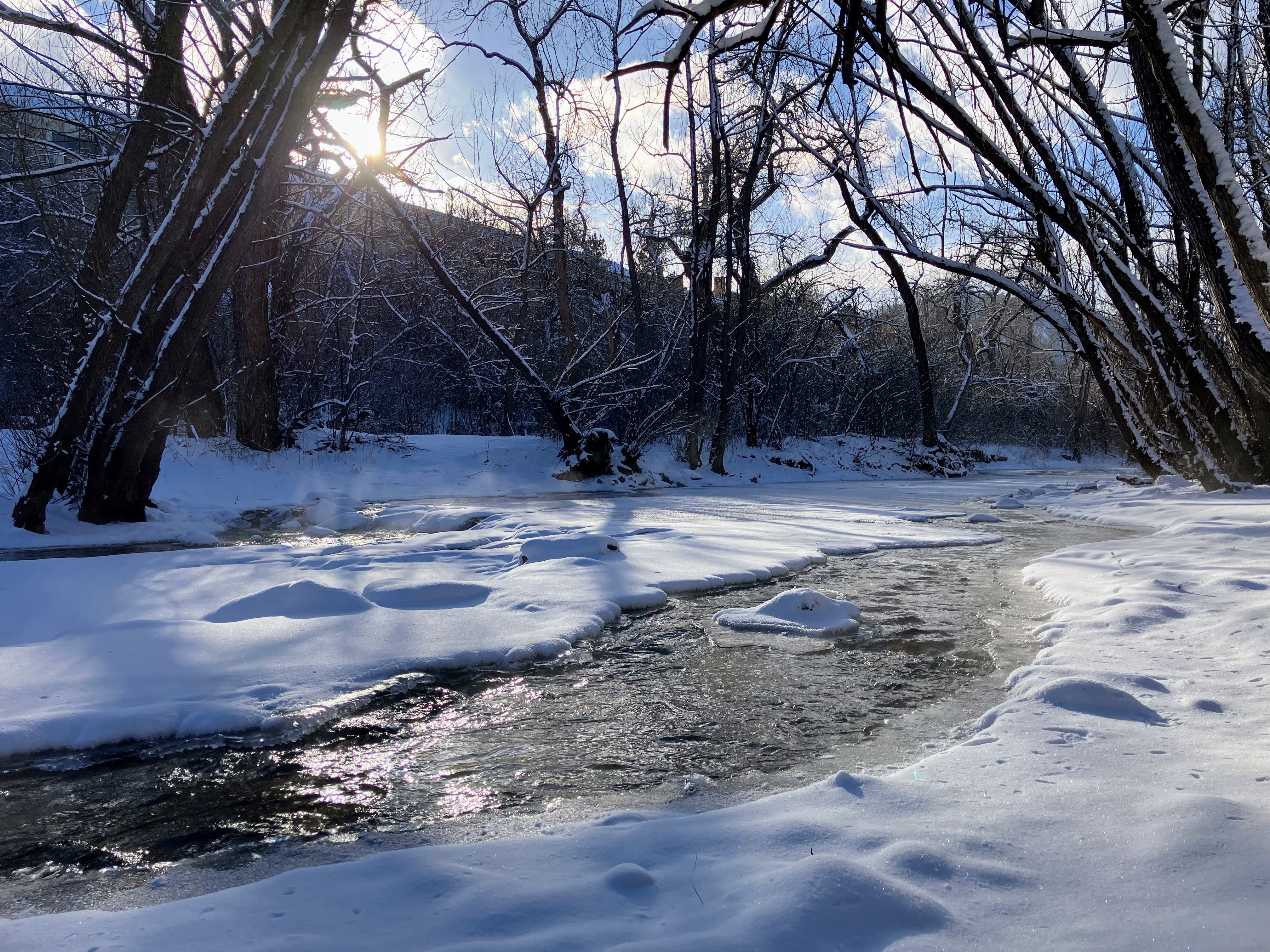
What I am familiar with is the dark. For more than a dozen years, I lived above the 45th parallel, in the rainforest known as the Pacific Northwest. Mild temperatures, but often without a ray of sunshine, for many, many days in a row. I loved it for a lot of reasons. It’s moody and creative, vibrantly green and lush. The land sacred and the views expansive. Still, it was wet and winter was long.
There’s another darkness I’m also familiar with, and the shame that comes with it. The darkness of deep depression. It’s been a long, winding journey, over four decades, to find some peace with my melancholic disposition. And here I am, oversharing in my first note, finally allowing it to be free. Embracing the winter season, reveling in the Earth’s natural rhythms of ebb and flow, has created a deep joy for me in embracing depressive swaths of time. I love winter because it has created a space for me to love myself, just as I am.
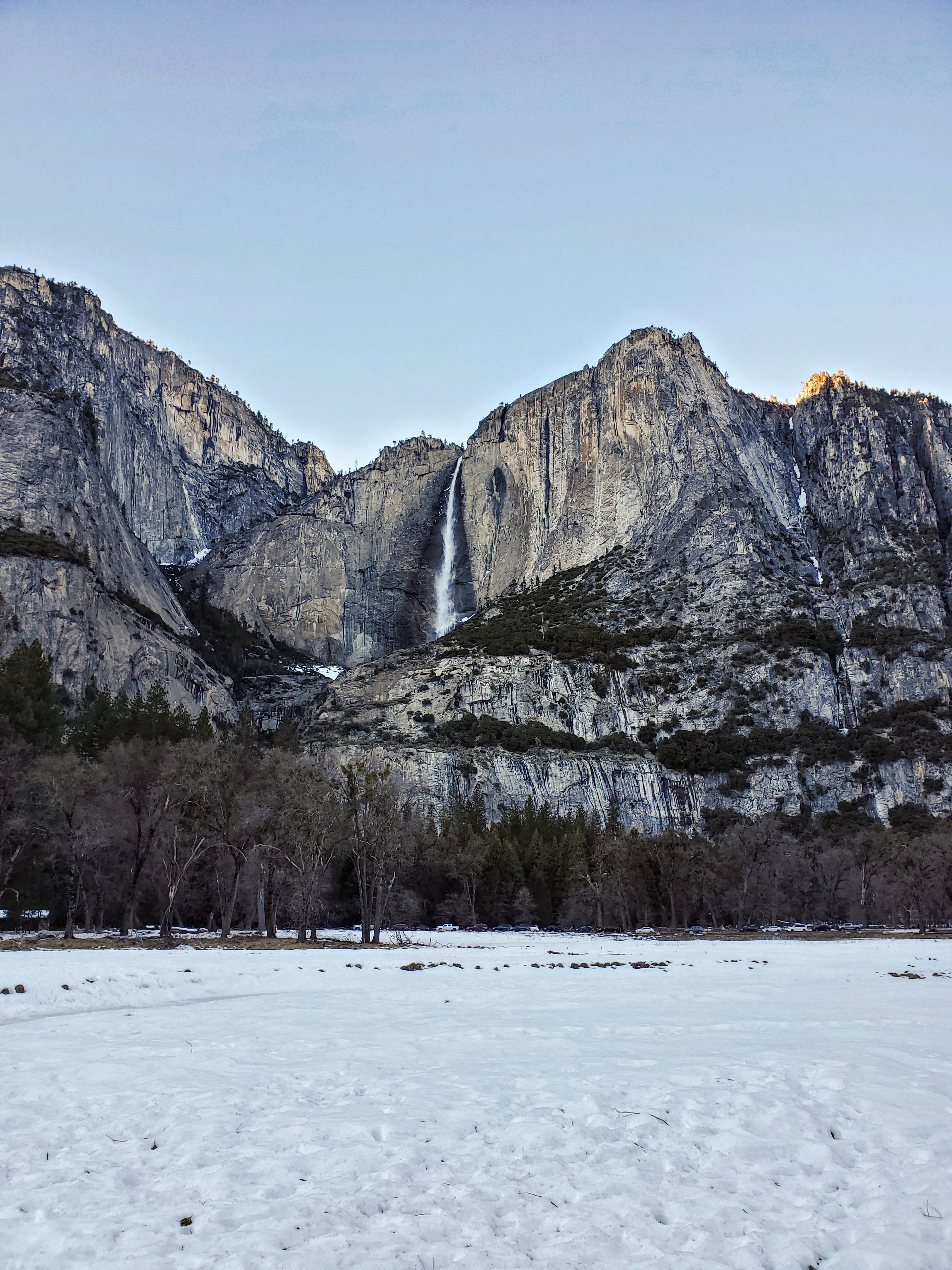
Winter is a time for turning inward, getting quiet, moving slowly. All things that come naturally to me. All things that come naturally to, well, the natural world. Leaves are shed, they die and compost into new states of being. Animals gather and store nourishment, so they can be sustained through months of hibernation, free to rest and dream. Have you ever heard that incredible quiet after snowfall? That’s nature, intuitively knowing it’s a time for stillness.
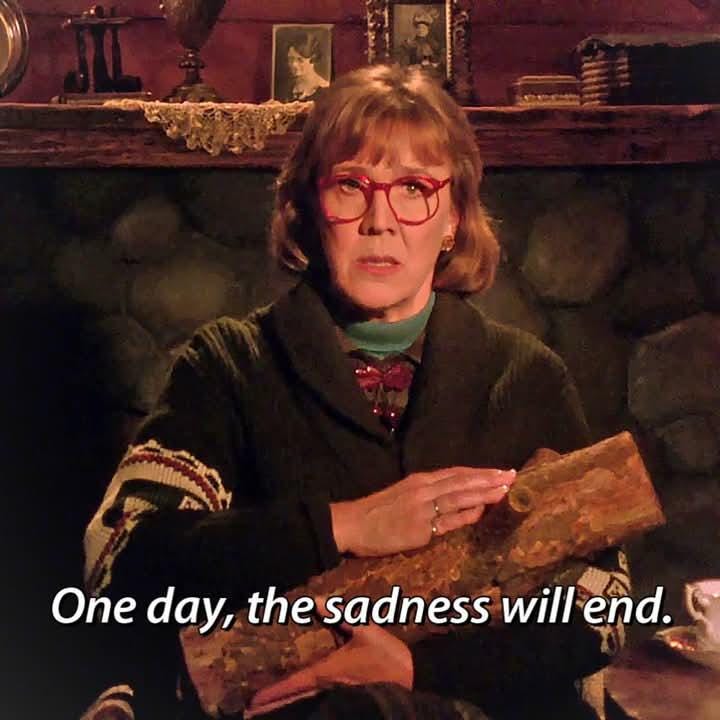
In the study of deep ecology, we learn that all life has intrinsic value and we exist in a complex, symbiotic ecosystem. Humans are deeply connected to and a part of nature, not separate or better than. Once I truly started paying attention to the cycles and interwebs of the natural world, I began to see how closely we mirror this evolution, these constant changes and metamorphoses. When serotonin’s running low, I know that one day, the sadness will end.
Those who know me as a 3-dimensional human have been surprised when I share my experiences with wonky brain chemistry (shout out to my real ones who know it all). Joy also comes naturally and is a public persona for me. Joy is the most socially acceptable state of being, happiness the quest that we’ve all been assigned at birth. But what I’ve always known and now embrace, what I study and what I teach, is that joy and sadness are one and the same. Birth and death. Grief and delight. Detachment and connection. It all exists, all at once.
John Steinbeck wrote, “What good is the warmth of summer, without the cold of winter to give it sweetness.” Yet, summer is not something we need to wait around for. It will come. It always does. In the meantime, in the depths of winter, we sing and laugh around a fire, light candles and sip a warm drink, go to bed early and dream of sugarplums, or in my case, dream about building a bookshelf that is never complete despite millions of shelves.
Today, we revel in the setting sun on the shortest day of the year, because tomorrow is a return to light. But also because we are at peace here, in the darkness, taking a pause, shedding dead leaves and turning them into fertile soil.